


Accountex London 13-14.05.2026
I attended Accountex London 2026 to better understand how AI, automation, and operational finance are evolving — particularly for SMEs and lean finance teams that need practical improvements rather than enterprise-scale transformation programmes.
Across all three sessions, one theme consistently emerged: technology only creates value when the underlying finance processes, controls, and operational ownership are already functioning well.
Below are the sessions that stood out most to me — and the practical implications I see for the businesses I support.
Session 1 — Digital Accounting and Client Service Evolution
What I took from it
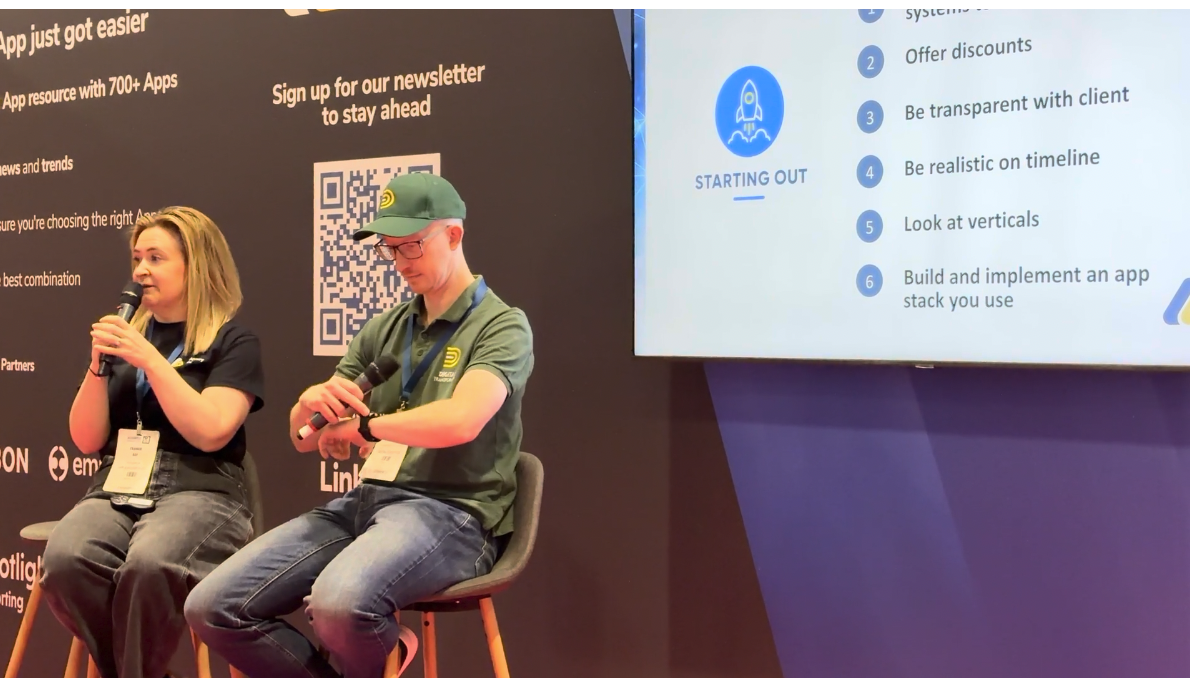
This session focused on expanding value beyond a single accounting platform to the wider finance ecosystem: purchase processing, approvals, payments, and credit control.
It also highlighted the real operational friction finance teams face—late expenses, missing attachments, and a culture of “finance will deal with it”.
A key framework referenced was the practical trio: People, Process and Technology—and the point was clear: technology alone doesn’t fix broken workflows.
Benefits for my clients
A more reliable month-end close (less chasing, fewer surprises): By building the right upstream processes (expenses, approvals, capture of invoices/receipts), month-end becomes a controlled process instead of a scramble.
Stronger controls without adding bureaucracy: The aim is “audit-level” process thinking—clear approvals, clear evidence, and traceability—while keeping day-to-day operations smooth.
Joined-up systems that reduce rework: Many organisations lose hours because systems don’t talk to each other (e.g., project tools vs finance). Fixing integrations reduces manual handling and errors.
A finance function with more internal credibility: When finance moves from “last resort” to a well-run service model, stakeholders get better support and decision-making improves.
Speakers:
Ryan Pearcy (Digital Transformation UK) https://www.linkedin.com/in/🎙%EF%B8%8F-ryan-pearcy-a3883a34/
Frances Kay (TC Group) https://www.linkedin.com/in/frances-kay-ba93b329/
Session 2 — Advisory Revenue Through Bookkeeping Data
What I took from it
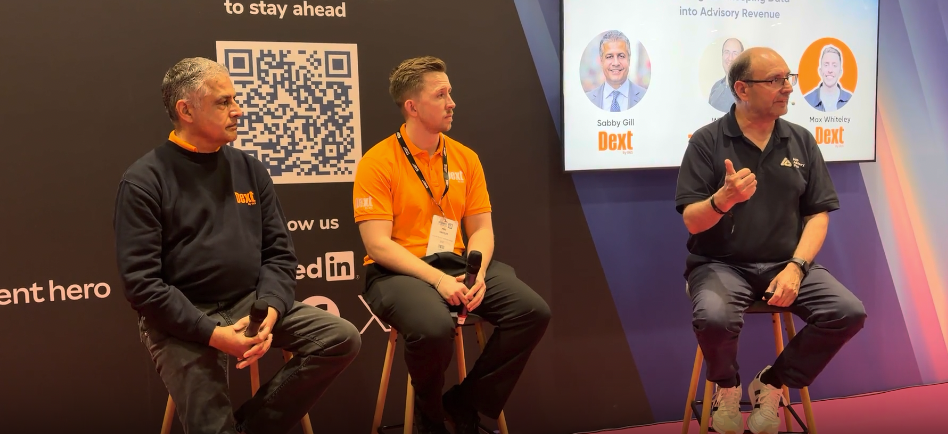
The session made a strong argument that “advisory” doesn’t have to mean complex forecasting models. Often it’s simply providing timely, accurate information that helps leaders make better decisions.
A major theme was frequency and data quality: if bookkeeping is only reconciled monthly, the service is inherently behind what the business needs.
Tools have enabled near-real-time workflows for years—but many organisations still aren’t using bank feeds and data capture properly.
It also highlighted that AI is already changing the work—but its value depends on whether the underlying data is current and correct.
Benefits for my clients
Higher ROI from your finance stack: Many firms pay for tools but don’t implement the habits (feeds, capture, coding rules, reconciliation rhythm) that unlock the value.
Better decisions because the numbers are usable (not stale): When bookkeeping is kept current (weekly/daily where appropriate), leaders can trust what they’re seeing and act faster.
A clearer path to meaningful insight (and future AI use): If leadership wants to ask AI questions about cash, margin, or performance, the foundation has to be solid—or the answers will be confidently wrong.
More proactive finance support without increasing headcount: With the right automation and process design, finance teams spend less time on data entry/corrections and more time helping the business.
Speakers:
Will Farnell (TC Group). https://www.linkedin.com/in/willfarnell/
Max Whiteley (Dext). https://www.linkedin.com/in/max-whiteley-818263120/
Sabby Gill (Dext). https://www.linkedin.com/in/sabbygill/
Session 3 -Accountex 2026 - AI and the Future of Accounting Firms
What I took from it
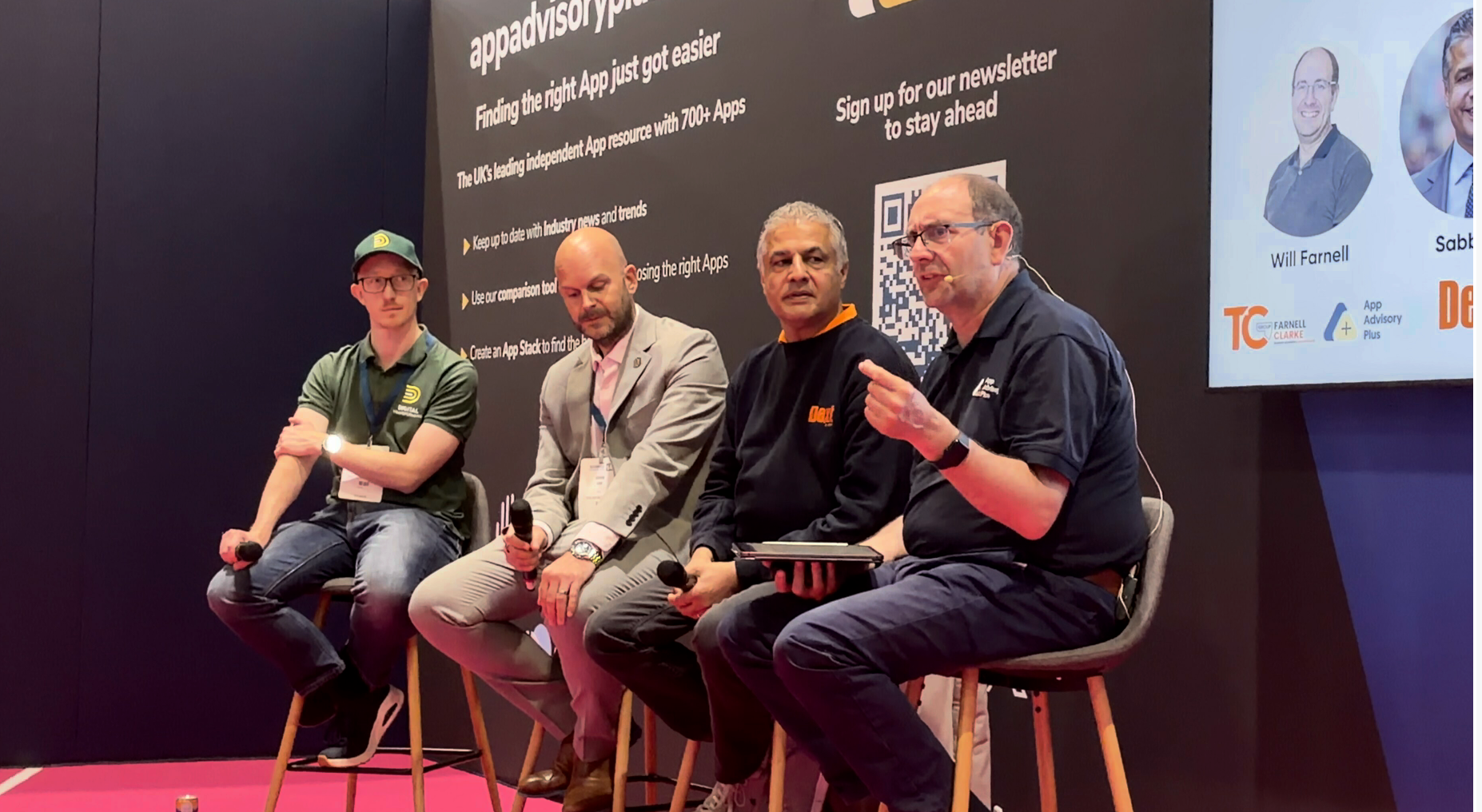
This session drew a useful line between foundational AI (built into the operating model) and cosmetic AI (bolted on features that don’t change outcomes).
It also stressed that security and trust are critical, and that many professionals are already spending time correcting errors from generic AI tools.
Another big idea: the profession is moving from compliance-heavy work to insight, validation and relationship-led value—and firms/teams that differentiate will thrive.
Finally, it emphasised the competitive advantage of building client context (or organisational context): the knowledge that sits outside the ledger but drives real decisions.
Benefits for my clients
AI that actually helps (because it’s implemented safely and properly): I’ll help clients adopt AI where it reduces risk and effort—without compromising confidentiality, control, or auditability.
Fewer errors from “random AI answers”: With finance-specific context, rules, and structured workflows, teams reduce the time spent correcting mistakes created by generic tools.
A stronger operating model, not just “new tech”: The goal is redesigning how work flows—what gets captured, who approves, what’s automated, what’s reviewed—so AI supports the system rather than papering over gaps.
Differentiation through better information and better relationships: Businesses that understand their own operational and customer context (not just accounts) make better decisions and are harder to compete with.
Speakers:
Will Farnell (TC Group) https://www.linkedin.com/in/willfarnell/
Max Whiteley (Dext) https://www.linkedin.com/in/max-whiteley-818263120/
Sabby Gill (Dext) https://www.linkedin.com/in/sabbygill/
Steve Cox (The Air Network) https://www.linkedin.com/in/stevenccox/
conclusion : What this means for finance teams
AI is accelerating
data quality matters more than ever
operational finance is becoming strategic
process clarity is becoming competitive advantage




That is the space Featherstone Optima is focused on: Helping finance teams build operational clarity, stronger controls, and scalable processes for modern business.